Your skin barrier is the unsung hero of your complexion. When it is working well, skin is plump, smooth, and effortlessly comfortable. When it is compromised, almost everything goes wrong at once: tightness, sensitivity, breakouts, flaking, and a dullness that no highlighter can fix. Yet despite how central the skin barrier is to skin health, it is still one of the most misunderstood and overlooked aspects of skincare.
This guide walks through what the skin barrier actually is, how to know when yours is struggling, and how to build a routine using clean, botanically-grounded ingredients that genuinely helps it recover.
What Is the Skin Barrier?
The skin barrier, also called the stratum corneum, is the outermost layer of your skin. Think of it as a carefully arranged mosaic of flattened skin cells (corneocytes) held together by lipids, ceramides, cholesterol, and fatty acids. This structure is sometimes described as a brick-and-mortar wall: the cells are the bricks, and the lipids are the mortar that seals them together.
The skin barrier has two primary jobs. First, it keeps water inside the skin, preventing trans-epidermal water loss (TEWL) and maintaining the hydration that keeps skin looking plump and healthy. Second, it is the first line of defense against pollutants, bacteria, allergens, and irritants that would otherwise penetrate the skin and cause damage or inflammation.
When the lipid mortar between those cells breaks down, both functions are compromised. Water escapes, and irritants get in. The result is the constellation of symptoms that signals a damaged barrier.
Signs Your Skin Barrier Is Compromised
Barrier damage does not always look the same on every skin type, but common indicators include:
- Persistent tightness or discomfort, especially after cleansing
- Increased sensitivity to products that previously caused no reaction
- Redness, blotchiness, or general reactivity
- Dry, flaky, or rough patches that do not respond to moisturisers
- Stinging or burning when applying serums or toners
- Breakouts or clogged pores despite a careful routine
- A dull, grey, or lacklustre complexion
If several of these are present simultaneously, a damaged barrier is likely involved. The good news is that with the right routine, most barrier damage can be repaired within two to four weeks.
What Damages the Skin Barrier?
Understanding the causes of barrier damage is essential for knowing how to avoid repeating the cycle. Common culprits include:
Over-exfoliation
Using acids, retinoids, or physical scrubs too frequently strips the lipid layer before it has time to regenerate. This is one of the most common causes of sudden skin sensitivity, particularly in those who become enthusiastic about active ingredients.
Harsh cleansers
Surfactants that disrupt the skin's natural pH (ideally slightly acidic, around 4.5 to 5.5) or strip away its natural oils leave the barrier depleted. If your cleanser leaves skin feeling squeaky-clean, it is likely the wrong cleanser for you.
Environmental stressors
UV radiation, pollution, cold and dry air, and central heating all contribute to lipid depletion and increased trans-epidermal water loss.
Fragrance and certain synthetic ingredients
Fragrance, both synthetic and some natural forms, is one of the most common skin sensitisers in skincare. A cleanser or moisturiser that smells beautiful can simultaneously be undermining your barrier with every use.
Stress and poor sleep
Cortisol, the stress hormone, actively degrades the skin barrier by reducing ceramide production and increasing inflammation. Chronic sleep deprivation has a similarly corrosive effect on skin health and barrier integrity.
The Core Principles of a Barrier Repair Routine
A barrier-focused routine has one overarching goal: give the skin what it needs to rebuild, and stop doing the things that are breaking it down. This usually means simplifying your routine, prioritising barrier-supporting ingredients, and being patient.
Principle 1: Use a Gentle, Fragrance-Free Cleanser
The first rule of barrier repair is to stop stripping. Switch to a low-foam, pH-balanced cleanser that respects the acid mantle. The Royal Tulip Cleansing Jelly is an excellent option, it removes makeup and impurities effectively while leaving the skin's natural lipid layer intact. The gel-to-jelly texture rinses clean without the tight, uncomfortable feeling that signals over-stripping.
Principle 2: Hydrate Before You Seal
Barrier repair requires two things working in concert: drawing water into the skin (hydration) and locking it there (occlusion). Use a hydrating toner or essence first to flood skin cells with moisture, then follow with a richer emollient to seal it in.
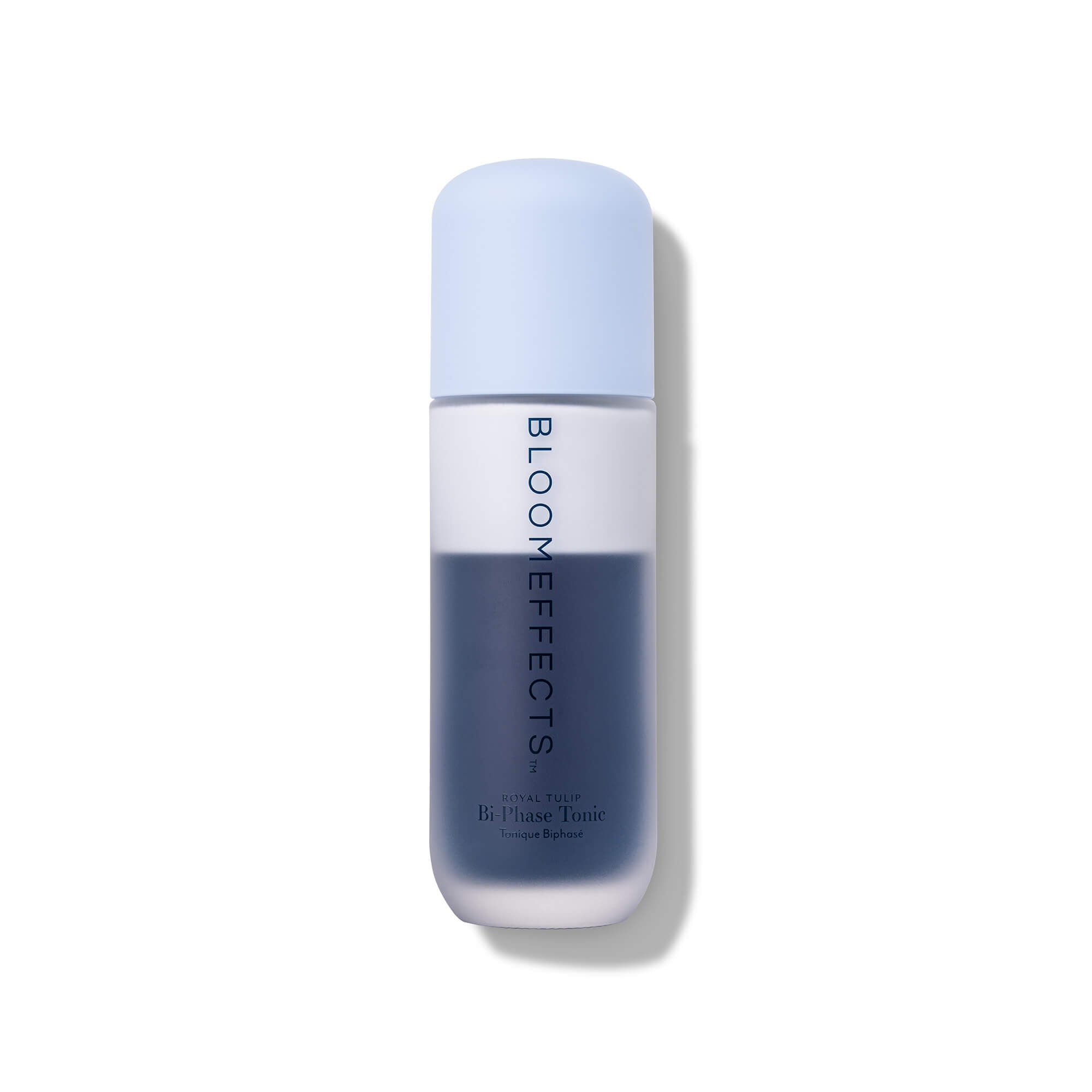
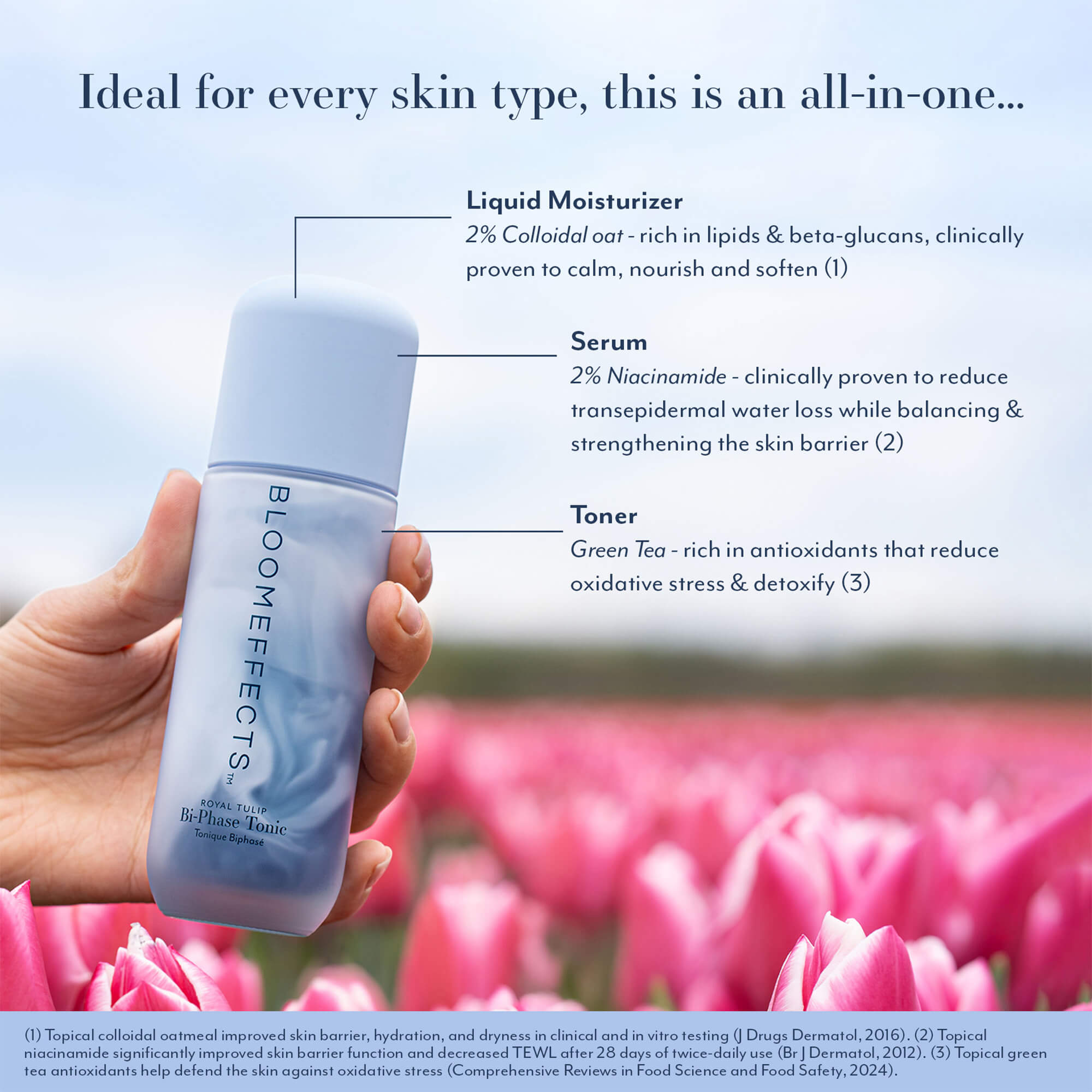
The Royal Tulip Hydrating Bi-Phase Tonic is ideal for the first step. It contains the Proprietary Dutch Tulip Complex™ alongside additional hydrators & comforting 2% Colloidal Oat that comforts while prepping the skin to receive and retain moisture. Apply it to clean, slightly damp skin using gentle pressing motions rather than rubbing.
Principle 3: Support Barrier Lipids with Fatty Acid-Rich Formulas
The lipid layer of the skin barrier is made of ceramides, cholesterol, and fatty acids. When it is damaged, replenishing these building blocks is essential. Look for products containing plant-derived fatty acids, squalane, and botanical oils.
The Royal Tulip Vitamin C Facial Oil is formulated with THD Vitamin C (a highly stable, oil-soluble form of Vitamin C that is far gentler than ascorbic acid) alongside the Proprietary Dutch Tulip Complex™ and nourishing plant oils. It delivers barrier-supportive fatty acids while simultaneously working on brightening, making it a dual-purpose addition to a barrier repair routine.
Principle 4: Moisturise Richly and Consistently
A barrier-repair moisturiser needs to do more than sit on the surface. It should provide emollients (to soften and smooth), humectants (to attract water), and occlusives (to prevent water escape). Ideally, it contains ingredients that actively support barrier lipid production.
The Royal Tulip Moisturizing Nectar is Bloomeffects' most celebrated product for precisely this reason. Its rich, nectar-like texture provides deep occlusion alongside the Proprietary Dutch Tulip Complex™ barrier-supporting fatty acids and natural moisturising factors. Apply it as the final step of your evening routine and allow the skin to do its overnight repair work undisturbed.
Principle 5: Pause Active Ingredients Until Barrier Is Restored
This is the step that many people find most difficult. While your barrier is actively compromised, exfoliating acids, high-concentration retinoids, and traditional forms of vitamin C (particularly L-ascorbic acid) can worsen the situation. Press pause on these actives for two to four weeks. Once your barrier has rebuilt, you can reintroduce them gradually and at a lower frequency.
The exception is well-tolerated, gentle Vitamin C forms like THD ascorbate, which is lipid-soluble and naturally compatible with the skin's barrier chemistry.
Principle 6: Always Apply SPF
UV radiation is one of the most consistent drivers of barrier damage and premature ageing. Regardless of how minimal your barrier repair routine is, sunscreen is non-negotiable. Opt for a mineral-based formula that avoids chemical UV filters, fragrance, and alcohol.
The Tulipscreen™ Shield and Glow SPF Sunstick offers sheer non-nano mineral Broad Spectrum SPF 50 protection in a lightweight, easy-to-apply format that works over moisturiser without pilling.
A Sample Barrier Repair Routine
Morning
1. Gentle cleanse or rinse with cool water
2. Apply Royal Tulip Hydrating Bi-Phase Tonic to damp skin
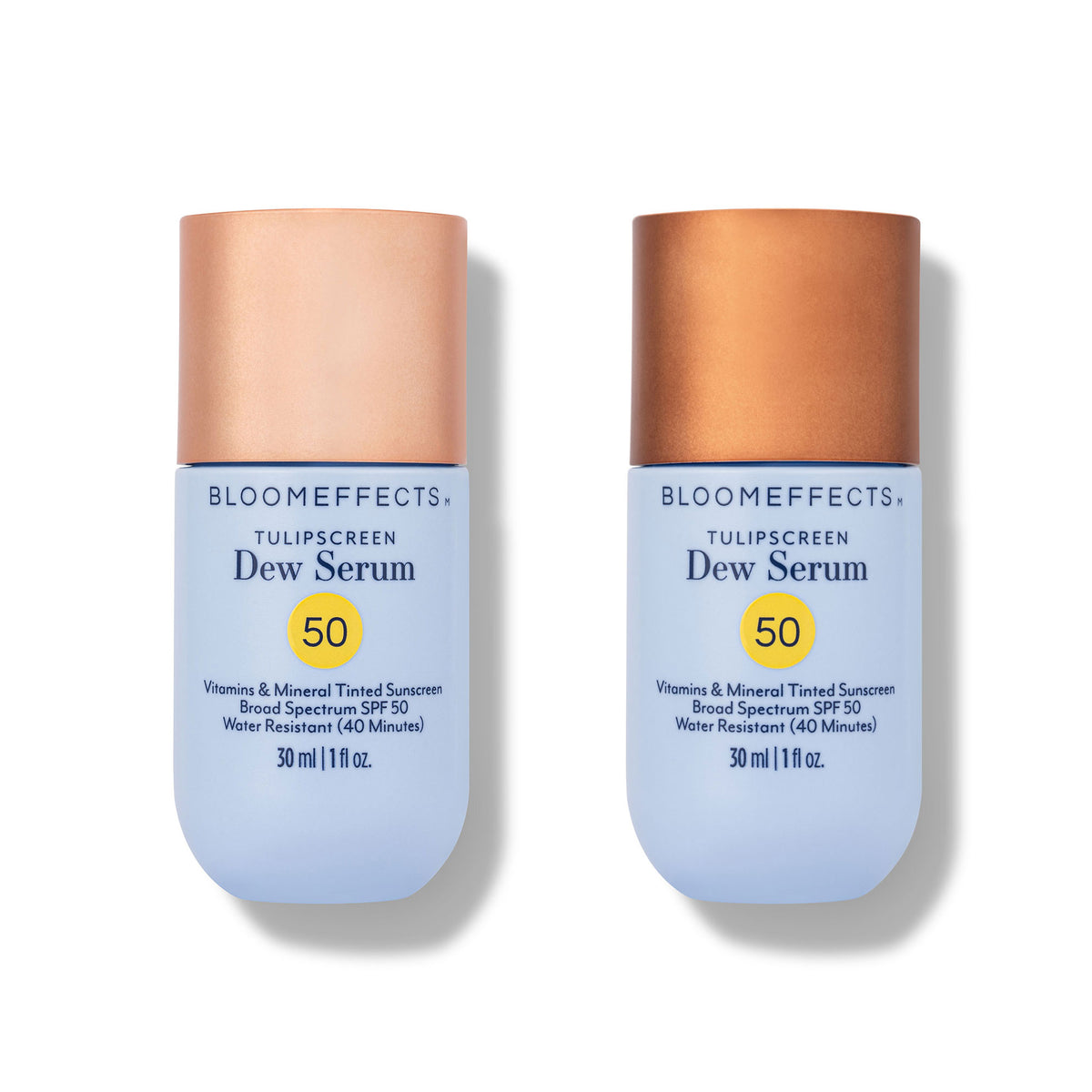
3. Apply Tulipscreen™ Dew Serum for lightweight hydration and niacinamide support
4. Seal with a few drops of Royal Tulip Vitamin C Facial Oil (barrier-supportive fatty acids and gentle vitamin C)
5. Finish with Tulipscreen™ Shield and Glow SPF Sunstick
Evening
1. Double cleanse with Royal Tulip Cleansing Jelly (removes SPF and daily buildup gently)
2. Apply Royal Tulip Hydrating Bi-Phase Tonic
3. Layer on the Royal Tulip Moisturizing Nectar as a rich, occlusive final step
4. Allow skin to recover overnight without actives
How Long Does Barrier Repair Take?
Most people notice meaningful improvement within one to two weeks of following a barrier-focused routine consistently. Full repair of a significantly compromised barrier can take four to six weeks. The key is consistency and patience, the skin's renewal cycle takes approximately 28 days, and meaningful structural change requires that full cycle to complete.
Resist the urge to add actives back in before your skin feels genuinely comfortable and resilient.
The Takeaway
A compromised skin barrier is not a permanent condition. With a thoughtfully simplified routine built on gentle cleansing, layered hydration, barrier-supportive fatty acids, and consistent occlusive moisturising, the skin has everything it needs to rebuild itself. Clean, botanically-grounded formulations, free from fragrance, sulphates, and unnecessary harsh actives, create the ideal environment for that recovery to happen without interruption.
Treat your barrier with the respect it deserves, and the results will show: calmer, more resilient, visibly healthier skin that holds onto moisture and handles actives without protest.
Explore Bloomeffects' barrier-supporting products including the Royal Tulip Moisturizing Nectar, Royal Tulip Cleansing Jelly, Royal Tulip Hydrating Bi-Phase Tonic, and Tulip Dew Drops at bloomeffects.com.