The clean beauty movement has done something important and something problematic in roughly equal measure. On the positive side, it has driven demand for transparency, pushed brands to disclose ingredients more fully, and created space for plant-derived active ingredients that were previously marginalized by a synthetic-first beauty industry.
On the problematic side, it has sometimes allowed "natural" to become a surrogate for "effective", creating a market in which charming brand stories and beautiful packaging substitute for genuine evidence that the ingredient in question does what the brand says it does.
The science, however, does not care about packaging. A well-designed botanical ingredient, extracted at appropriate concentrations and formulated in a way that allows it to function, absolutely can produce measurable, visible skin outcomes. The key is knowing which botanicals have earned their claims and which are primarily there for aesthetics.
Here is a science-informed guide to botanical skincare ingredients that genuinely deliver.
1. Tulip Extract (Dutch Tulip Complex)
One of the most recently researched and genuinely compelling additions to the botanical skincare repertoire, tulip are at the core of what makes us distinct.
The Proprietary Dutch Tulip Complex is made from upcycled tulip bulbs and the Proprietary Black Tulip Complex™ is powered by upcycled tulip petals. They both contains a multi-active profile of compounds with demonstrated skin benefits:
- Auxin and kinetin: distinct classes of plant growth factors that support collagen production and cellular renewal
- Essential fatty acids: barrier-supportive lipids compatible with the skin's own sebum chemistry)
- Natural moisturising factors including amino acids: water-binding humectants
- Antioxidants (flavonoids): free radical neutralisation and photoprotection support
- Gentle AHAs: brightening and mild exfoliation
Research backed by Dutch government grants has validated the tulip's bioactive profile. Peer-reviewed research confirms the antioxidant and anti-ageing potential of tulip extract. As an ingredient, it is both scientifically grounded and genuinely novel, far fewer competing products are using it than you might expect from its benefit profile.
2. Centella Asiatica (Cica)
Centella asiatica, also known as tiger grass or cica, is one of the most heavily studied botanical skincare ingredients available. Its active components, including asiaticoside, madecassoside, and asiatic acid, have been shown in multiple clinical studies to:
- Accelerate healing and repair
- Stimulate collagen synthesis
- Target scarring
- Strengthen barrier function
Cica has a particular affinity with damaged, sensitised, or post-procedure skin. Its soothing properties make it one of the few truly evidence-backed botanicals for reducing the discomfort associated with compromised skin barriers.
The Black Tulip Regenerative Serum incorporates the power of this botanical with exosomic peptides derived from Centella stem cells.
3. Kakadu Plum
Native to northern Australia, Kakadu Plum contains the highest naturally occurring Vitamin C concentration of any plant on Earth, reported at up to 100 times the Vitamin C content of an orange. In skincare, this translates to a potent brightening and antioxidant agent with a gentler pH profile than synthetic L-ascorbic acid.
The bioflavonoids naturally present alongside the Vitamin C in Kakadu Plum provide additional antioxidant protection. Unlike isolated Ascorbic Acid, Kakadu Plum extract delivers Vitamin C in its whole-plant context, which may enhance stability and skin compatibility.
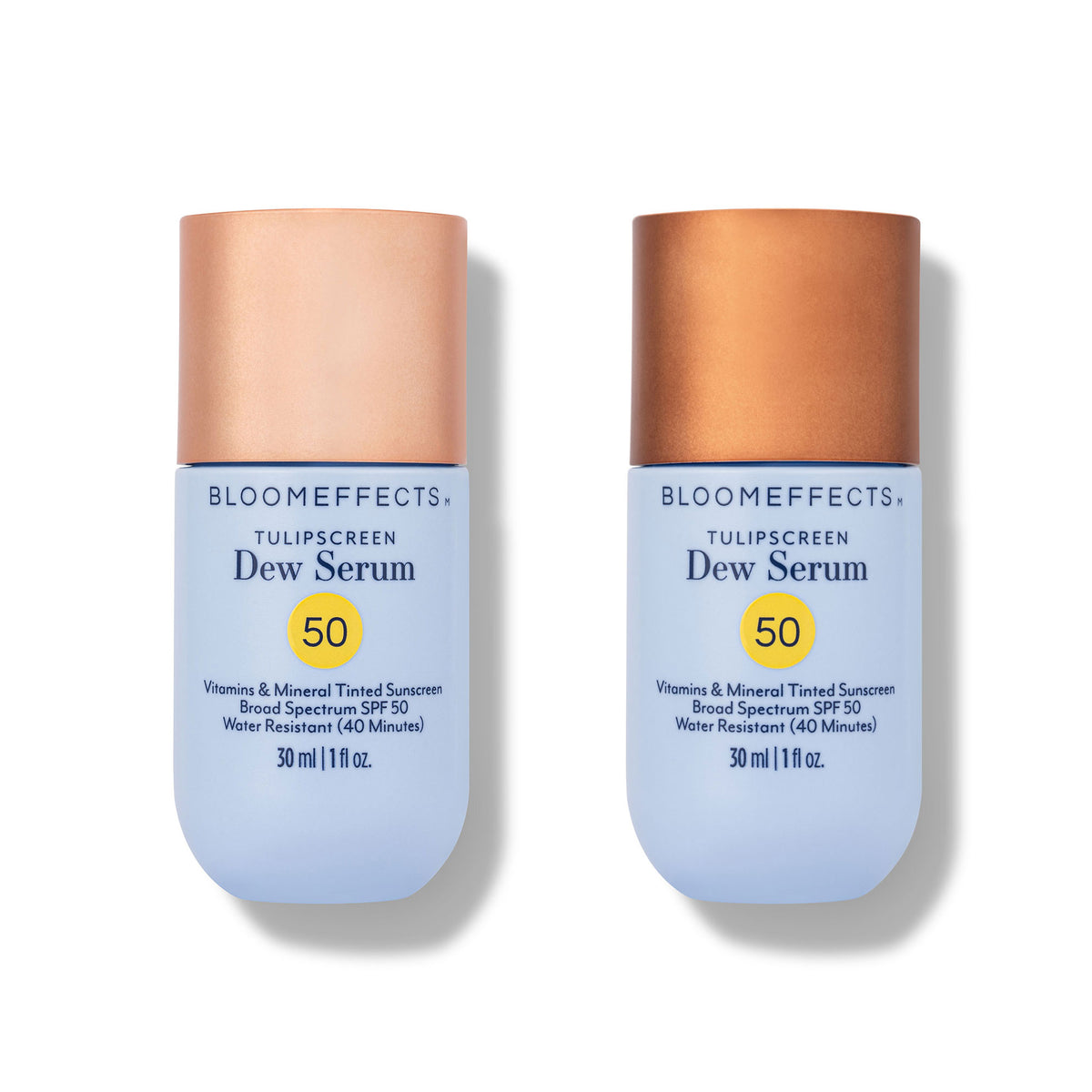
We include Kakadu Plum in the Royal Tulip Dew Drops & Tulipscreen™ Dew Serum as a rich source of Vitamin C.
4. Squalane (Plant-Derived)
Squalane is technically a derivative of squalene, a lipid naturally produced by the skin's sebaceous glands. As the skin ages and sebum production decreases, squalene levels fall, contributing to the dryness and barrier vulnerability associated with ageing skin.
Plant-derived Squalane (from olive or sugarcane) mimics the skin's own lipid chemistry with exceptional precision, making it one of the best emollients available. It spreads easily, absorbs without residue, and provides lasting softness without a greasy feel.
Its barrier-supportive function is well-documented: Squalane reduces trans-epidermal water loss, seals in moisture, and provides a smooth, plump surface that improves with consistent use.
Our Royal Tulip Dew Drops, Royal Tulip Elevate Crème & Royal Tulip Vitamin C Facial Oil all come with a rich dose of Squalane for your skin.
5. Bakuchiol
Bakuchiol is extracted from the seeds and leaves of the Psoralea corylifolia plant. Its rise to prominence in clean beauty is supported by a well-known clinical study published in the British Journal of Dermatology in 2019, which compared Bakuchiol to retinol in a double-blind trial and found comparable improvement in fine lines, wrinkles, pigmentation, and skin firmness, with significantly fewer side effects.
Unlike retinol, Bakuchiol does not increase photosensitivity, does not require a rest period, is generally suitable for use during pregnancy, and is well tolerated by sensitive skin. For those seeking genuine anti-ageing botanical activity without the irritation of traditional Retinols, Bakuchiol represents the current gold standard in clean-beauty alternatives.
6. Green Tea Extract (EGCG)
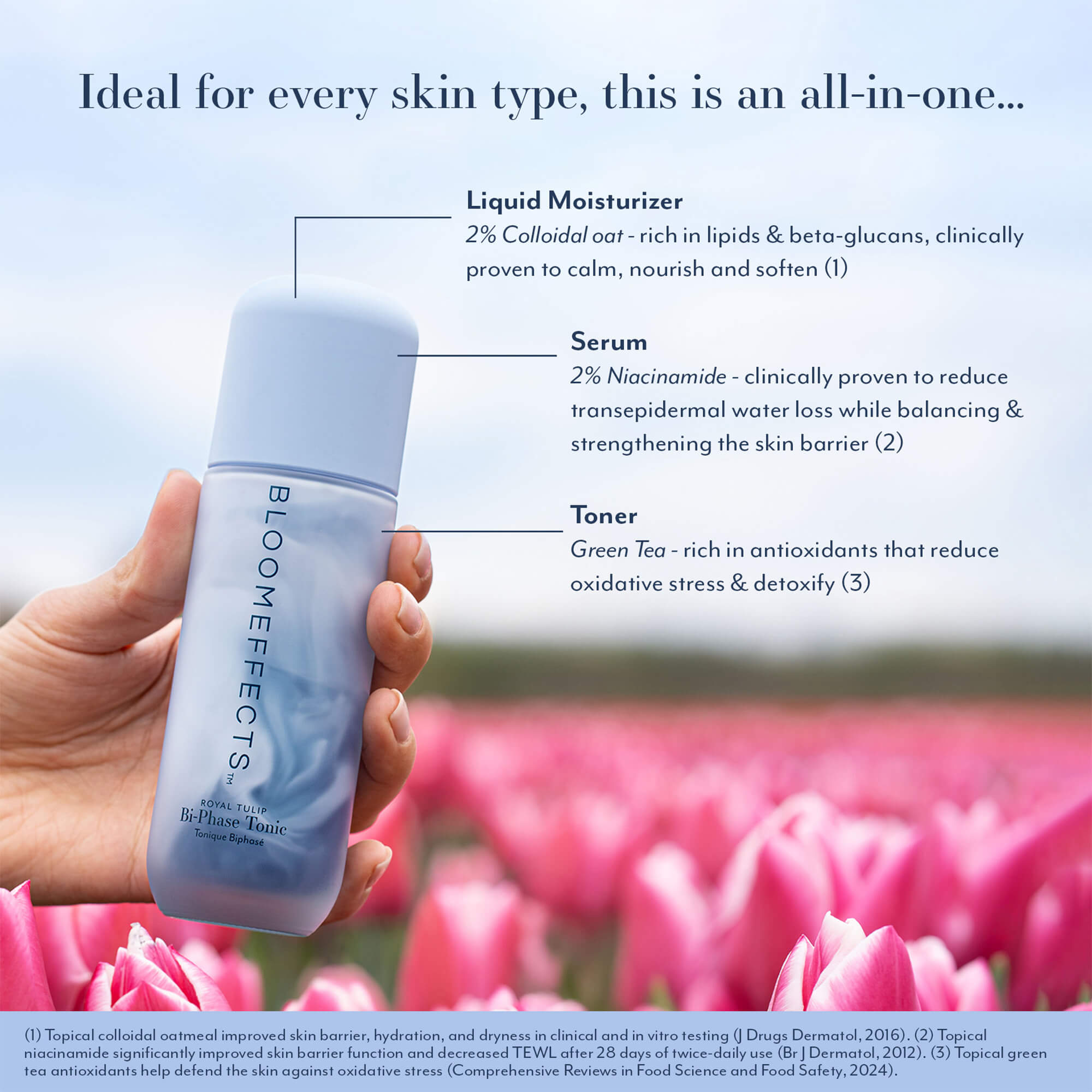
Green Tea Extract, is one of the most extensively studied natural antioxidants in skincare. Its documented benefits include:
- Powerful free radical scavenging activity
- Inhibition of UV-induced photoageing
- Some evidence for sebum regulation, relevant to oily and acne-prone skin
Green Tea Extract is one of the most credible botanical antioxidants available, with a research profile that rivals many synthetic alternatives.
7. Niacinamide (Vitamin B3)
While Niacinamide is often thought of as a synthetic vitamin, it occurs naturally in many foods and plant materials. Its skincare credential is exceptional: it is one of the most broadly effective actives across multiple skin concerns, supported by a deep body of clinical evidence at concentrations as low as 2 to 5%.
For barrier strengthening, texture-improvement, even tone, and fine line improvement, Niacinamide has few rivals in the clean beauty ingredient library, synthetic or otherwise.
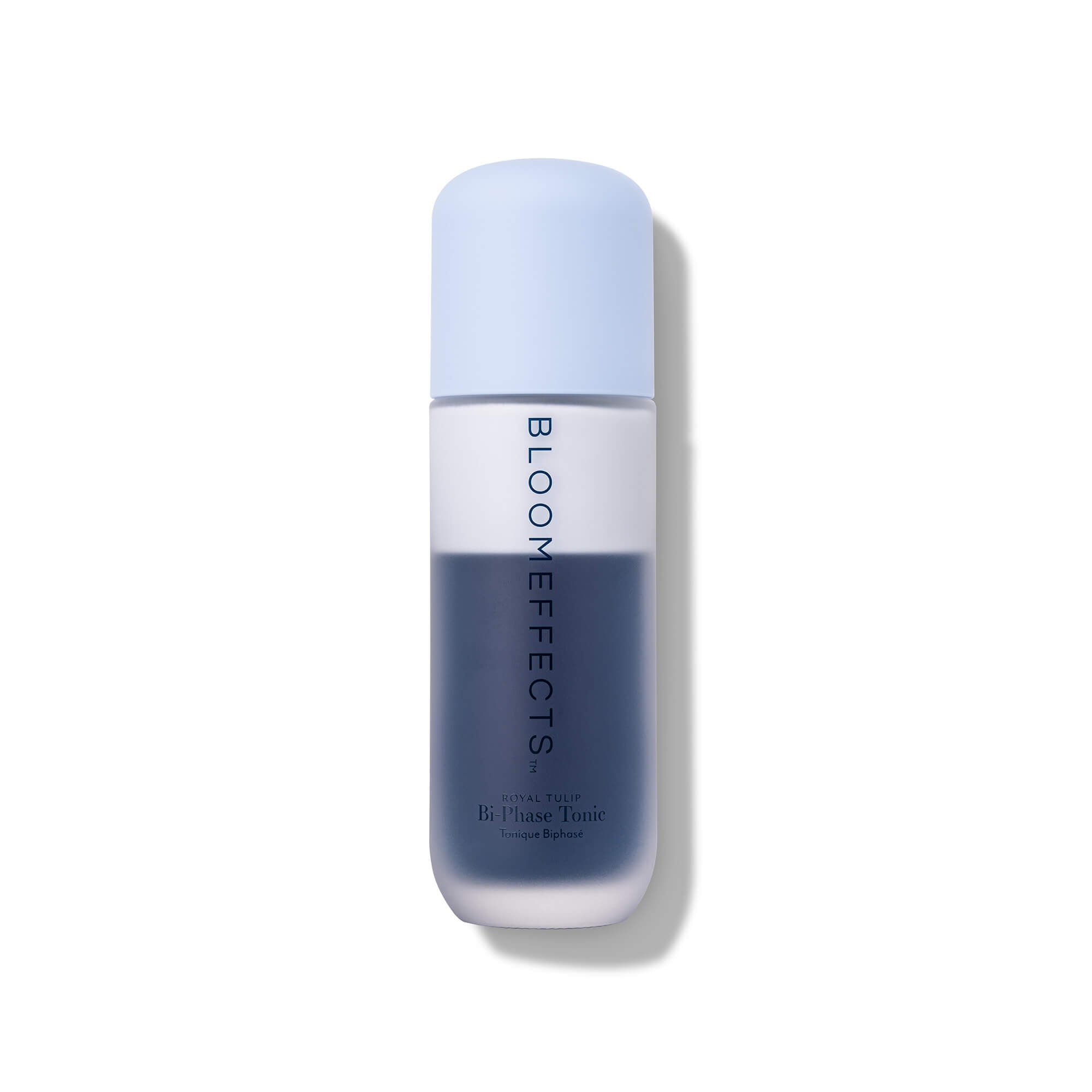
Our Royal Tulip Bi-Phase Tonic, Royal Tulip Dew Drops, Royal Tulip Bi-Phase Tonic, Tulipscreen™ Dew Serum & Royal Tulip Vitamin C Facial Oil all deliver your daily dose of Niacinamide (Vitamin B3).
8. Hyaluronic Acid (HA)
Hyaluronic acid occurs naturally in the body & plays a critical role in moisture retention. Skin Hyaluronic Acid declines with age, contributing to the loss of plumpness and elasticity.
Topical Hyaluronic Acid, particularly in its lower-molecular-weight forms, has been shown to penetrate the upper layers of the skin and provide meaningful hydration benefits. It is one of the most well-evidenced humectants available and is a staple ingredient in Bloomeffects' hydrating formulas.
How to Evaluate Botanical Claims in Skincare
With this guide as context, here is a simple framework for evaluating whether a botanical ingredient in a product is likely to deliver on its claimed benefits:
- Is there published research? Peer-reviewed studies, in vitro or in vivo data, or at minimum independent clinical testing by the ingredient supplier gives a botanical meaningful credibility.
- Is it at an effective concentration? Effective botanicals should be featured at concentrations that match the evidence - look out for transparency in these numbers.
- Is the extraction method appropriate? Raw plant material and standardised extract are not the same thing. The bioactive yield depends heavily on how the extract is prepared.
- Is it formulated compatibly? Even the best ingredient can be rendered ineffective by an incompatible pH, an antagonistic co-ingredient, or packaging that degrades it before use.
The Takeaway
The best botanical skincare ingredients are not botanical by accident. They are chosen because the science, plant biology, dermatological research, clinical study data, says they work. Tulips, Centella Asiatica, Kakadu Plum, Squalane, Bakuchiol, Green Tea, Niacinamide, and Hyaluronic Acid are among the most credible active ingredients in the clean beauty ingredient library.
When they are featured at efficacious concentrations, extracted appropriately, and formulated with the thoughtfulness that the science demands, botanical skincare can achieve remarkable outcomes.
The tulip, once overlooked entirely, turns out to be one of the best examples of this principle. It just took the right question, the right farm, and the right research to reveal what was there all along.
Explore the full Bloomeffects formulation philosophy and discover products built on the Proprietary Dutch Tulip Complex™ & Proprietary Black Tulip Complex™ at bloomeffects.com.