If your skin is perpetually dry despite religiously applying moisturiser, or if you feel dehydrated but oily at the same time, you may be dealing with one of the most common points of confusion in skincare: the difference between hydration and moisture.
These terms are often used interchangeably, but they describe fundamentally different things. Understanding the distinction is not just semantic, it directly changes how you approach your routine and which products you reach for.
What Is Skin Hydration?
Hydration refers specifically to water content within skin cells. When skin is well hydrated, its cells are plump with water. They function efficiently, reflect light evenly, and give the complexion that soft, bouncy quality that is the hallmark of healthy skin.
Dehydrated skin lacks water. It can look and feel flat, dull, tight, or rough, even if there is adequate oil on the surface. Fine lines can appear more pronounced. The complexion may look sallow or grey. Makeup sits unevenly.
Importantly, dehydration is a temporary, correctable condition. It is not a skin type. Oily skin can be dehydrated. Combination skin can be dehydrated. Any skin type can experience dehydration, triggered by things like over-cleansing, environmental conditions, certain medications, health-issues, inadequate water intake, or barrier compromise.
Ingredients that specifically address hydration by drawing water into the skin are called humectants.
What Is Skin Moisture?
Moisture, in a skincare context, refers to the skin's oil and lipid content. The skin produces its own lipids, through the sebaceous glands (sebum) and through the lipid-rich skin barrier layer (ceramides, fatty acids, and cholesterol).
Dry skin (as a skin type, distinct from dehydration) is characterised by insufficient lipid production. The skin does not produce enough oil or barrier lipids, which means water evaporates from the skin surface rapidly through a process called trans-epidermal water loss (TEWL). Dry skin often feels tight, flaky, and uncomfortable, particularly in cold, dry environments.
Ingredients that address moisture, specifically the oil and lipid component, include emollients and occlusives.
The Three Ingredient Categories: Humectants, Emollients, and Occlusives
Understanding these three categories is the key to building a genuinely effective hydration and moisture routine. Each serves a distinct function, and the most effective products typically combine all three.
Humectants: Draw Water In
Humectants are hydrophilic molecules, they attract and bind water. Applied to the skin, they draw moisture from the environment (if humidity is adequate) or from the deeper layers of the skin to the surface, increasing water content in the upper skin layers.
Common humectants include:
- Hyaluronic acid (the most well-known; can hold up to 1,000 times its weight in water)
- Glycerin (highly effective, very well tolerated)
- Amino acids (the components of natural moisturising factors, NMFs)
- Aloe vera
Apply humectant-rich products, toners, essences, and water-based serums, to skin that is slightly damp after cleansing. This gives them water to attract and bind immediately, rather than drawing moisture from the deeper layers.
Emollients: Soften and Smooth
Emollients fill in the gaps between skin cells, smoothing the surface and softening rough texture. They are primarily lipid-based: oils, butters, fatty alcohols, and certain waxes.
Plant-derived emollients include Squalane, Jojoba Oil, Rosehip Oil, and Sunflower Seed Oil. They are generally well tolerated by most skin types because they are compositionally similar to the skin's own sebum. Ceramide-containing emollients also support barrier lipid replenishment.
Occlusives: Lock It In
Occlusives form a physical barrier over the skin that prevents water from evaporating. They are the sealing step in a well-constructed routine, locking in the hydration delivered by the humectants and the softening effect of the emollients.
Classic occlusives include petrolatum (the most effective but non-clean), lanolin, beeswax, and heavier plant waxes. In cleaner formulations, oils applied in sufficient quantities can provide a meaningful occlusive effect. The Royal Tulip Moisturizing Nectar, our cult-classic, achieves its deep, lasting moisture partly through its richly occlusive texture, which forms an effective moisture-sealing layer when applied as the final skincare step.
How to Tell If Your Skin Is Dehydrated or Dry
These two conditions have some overlapping symptoms but respond to different approaches.
Signs of dehydration (water deficit):
- Skin feels tight but may not appear flaky
- Complexion looks dull, flat, or slightly grey
- Fine lines appear more pronounced (the "crepey" effect)
- Skin feels oily on the surface but tight underneath
- Skin quickly absorbs rich creams without feeling nourished
Signs of dryness (oil/lipid deficit):
- Skin visibly flakes or peels
- Rough patches that feel sandpapery
- Persistent tightness and discomfort, especially after washing
- Redness or sensitivity
- Skin feels relieved by rich creams or oils but the effect does not last
A quick self-assessment: press a clean piece of blotting paper to different areas of your face. If it picks up oil, those areas are not oil-deficient. If your skin still feels tight and uncomfortable despite adequate sebum, dehydration is likely the issue.
Building a Routine for Each Condition
For Dehydrated Skin: Focus on Humectants
The priority is getting water into the skin cells and keeping it there. Apply a hydrating toner or essence immediately after cleansing while skin is still damp, press in a humectant serum, and then seal with even a lightweight moisturiser to prevent the water from evaporating.
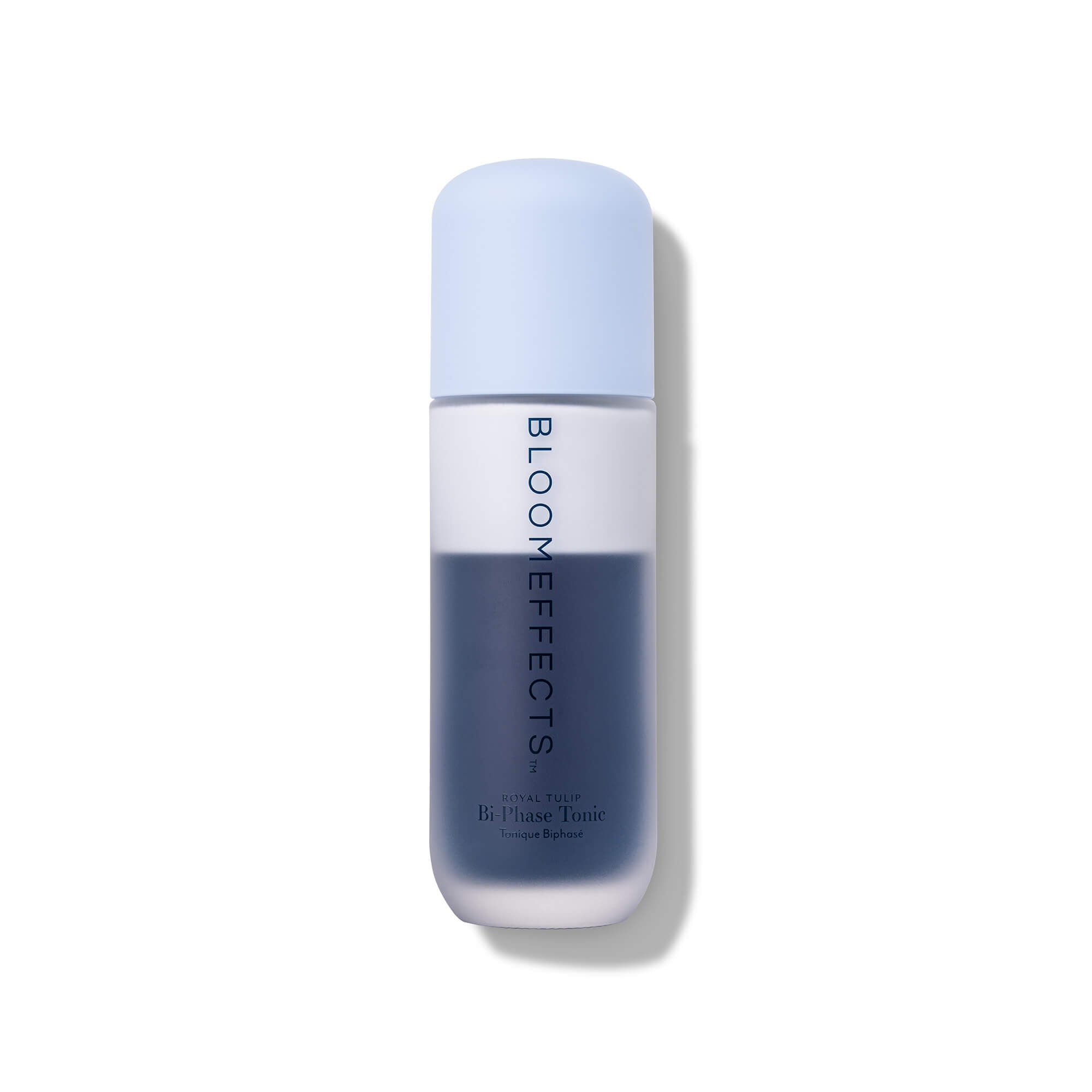
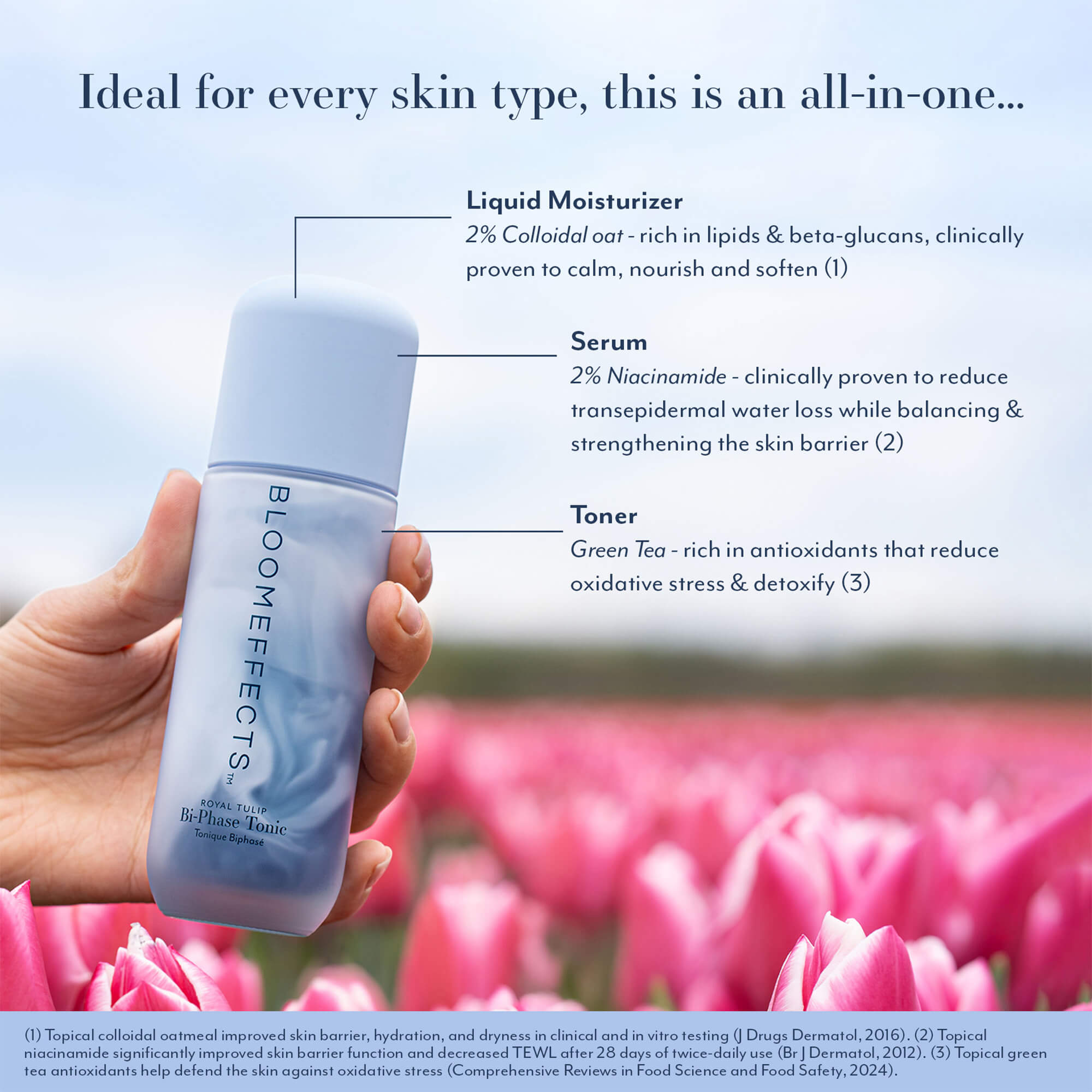
The Royal Tulip Bi-Phase Tonic, followed by the Royal Tulip Dew Drops (which includes humectants and the Proprietary Dutch Tulip Complex), provides an excellent humectant-rich foundation. Finish with the Royal Tulip Elevate Crème to lock it in.
For Dry Skin: Focus on Lipid Replenishment
The priority is rebuilding the barrier lipid layer so that water stays inside the skin rather than evaporating. This requires emollient-rich products that provide the fatty acids, ceramide-mimics, or plant oils that the skin is not producing in sufficient quantity.
The Royal Tulip Vitamin C Facial Oil is powered by barrier-supportive squalane and 12 antioxidant rich botanical oils. The Royal Tulip Moisturizing Nectar, applied as a final occlusive step, provides deep lipid sealing that lasts through the night.
For Both (The Most Common Situation):
Many people, particularly those with compromised barriers or those in dry or cold climates, experience both dehydration and dryness simultaneously. The solution is a layered approach: humectants first, then emollients, then occlusives, in that order.
This is precisely the logic behind the classic Bloomeffects evening routine: the Royal Tulip Bi-Phase Tonic & Royal Tulip Dew Drops (humectants), Royal Tulip Elevate Crème or Royal Tulip Vitamin C oil (emollients and additional humectants), and the Royal Tulip Moisturizing Nectar (occlusive sealant with humectants & emollients). Each layer serves a purpose. Each depends on the layers beneath it.
Does Drinking Water Hydrate Your Skin?
Yes, but less directly than is often suggested. Drinking adequate water supports the overall water balance of the body, including skin cells. Chronic dehydration (not drinking enough water) will show up on the skin. But simply increasing water intake will not resolve barrier-compromised skin or dehydrated skin that is losing water faster than it takes it in.
The most direct route to skin hydration is via topical humectants applied to damp skin, sealed with an appropriate occlusive. Internal hydration and topical hydration both contribute, but they are not interchangeable.
The Takeaway
Hydration means water. Moisture means oil. Dehydration is a condition (temporary, correctable). Dryness is a skin type (requiring ongoing management). And most people, most of the time, need both humectants and emollients working in concert to maintain genuinely well-nourished skin.
Understanding this distinction transforms how you shop for skincare, how you layer your routine, and ultimately how your skin looks and feels. It is a small piece of knowledge that makes a meaningful practical difference.
Explore Bloomeffects' full hydration collection, including the Royal Tulip Bi-Phase Tonic, Royal Tulip Dew Drops, and Royal Tulip Moisturizing Nectar, at bloomeffects.com.